A town does not remember itself in words alone. Its graduations, shows, ceremonies and celebrations survive in photographs — which makes community photography one of the most quietly important jobs a camera can do.
Regional life runs on a calendar of gatherings: university graduations and college reunions, agricultural and country shows, civic receptions, formal balls, sporting finals and volunteer milestones. Photographing them well is partly craft and partly citizenship — an understanding that these frames may be the only lasting record of an occasion.
The occasions and what they ask
- Graduations and ceremonies reward anticipation and position: the procession, the moment on stage, the family embrace afterward. The peaks are fixed in the running order, so the photographer can plan for each.
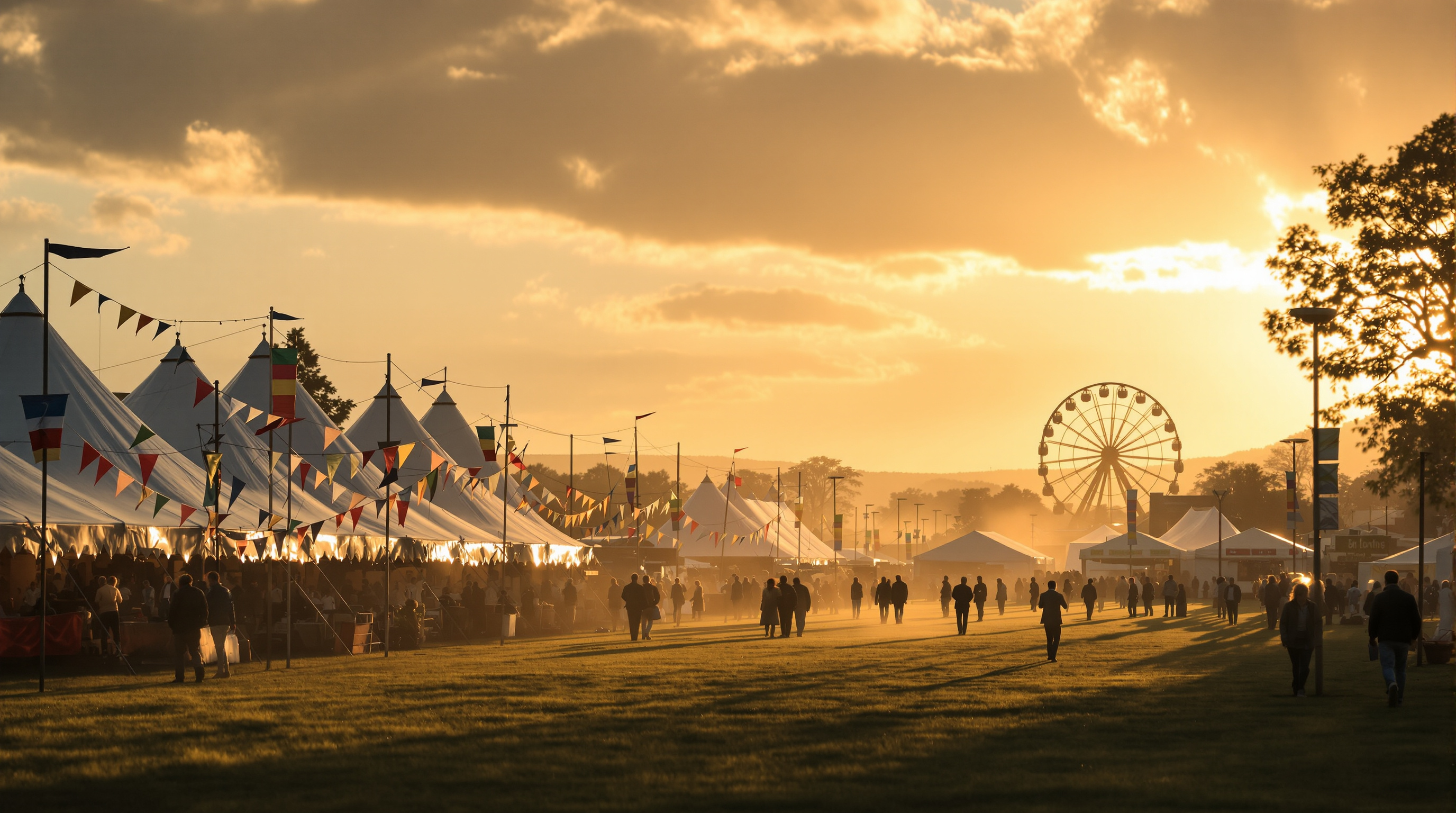
- Country and agricultural shows are sprawling and unrepeatable — ring events, ribbons, animals, the crowd at dusk. Here the work is coverage and instinct, roaming with an eye for the small human moment inside the spectacle.
- Formal balls and receptions ask for elegance and discretion: warm available light, respectful framing, and a feel for atmosphere over incident.
- Civic occasions and volunteer milestones ask for dignity — recording the people who serve a community as they would wish to be seen.
The photographer as a guest
Community photography is done on invitation and trust. The photographer is a guest first and a professional second. That means courtesy to organisers, sensitivity around children and vulnerable people, and a light touch that never turns an occasion into a shoot. Reputation in a region is built slowly on exactly these manners — and lost quickly without them.
Why the archive matters
Individually, a graduation frame or a show-ring picture is modest. Collectively, across years, such images become social history. This is precisely the value that public institutions place on vernacular and community photography: the State Library of New South Wales and regional collections actively preserve everyday photographs because, decades on, they answer questions nothing else can. A local photographer building an honest record is contributing to that same long memory — the kind of regional visual culture that institutions such as the New England Regional Art Museum help a district value.
Practical habits for community work
- Arrive early, introduce yourself to organisers, and learn the run of the day.
- Capture the wide establishing frame and the small human detail — both are needed for the record.
- Photograph the helpers and the crowd, not only the dignitaries.
- Note names and context where you can; an unlabelled photograph loses half its future value.
- Edit for dignity: keep the frames that show people at their best.
Connected reading
Community coverage draws directly on the skills in event photography and portraiture. For the setting that frames so much regional life, see landscapes of the New England Tablelands.